



When people first come to see a homeopath, they often expect something similar to conventional medicine — a description of symptoms followed by a medicine chosen to match the diagnosis. That isn’t how I work, and it isn’t how homeopathy works best.
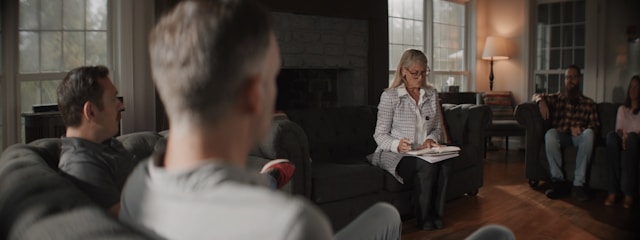
When I meet someone for the first time, I’m listening for far more than the name of an illness. I’m interested in how they describe their problem, how they describe themselves, and how they present while doing so. Their posture, their manner, their attitude — all of this tells me something important. Sometimes what matters most is not what is said, but how it is said.
One common misunderstanding about homeopathy is that it uses fixed remedies for fixed conditions, or that it relies on herbs or supplements. Neither is the case. Homeopathy is not about treating diseases in isolation; it is about understanding the person who has the disease. Two people with the same diagnosis may need entirely different remedies.
Another thing that often surprises people once treatment begins is the direction in which healing can occur. I explain early on that old symptoms may reappear — sometimes ones that have not been present for years. When this happens, I’m usually pleased. Those symptoms will pass again, and their return often signals that the body is reorganising itself in a healthier way.
This can feel counterintuitive at first, especially if someone is used to suppressing symptoms as quickly as possible. But in homeopathy, we are paying attention to the order and quality of change, not just whether something disappears overnight.

Healing is not always linear, but it has its own direction.
Homeopathy works best when someone is willing to be open and communicative. I rely on people to tell me what they are experiencing honestly, even if it seems irrelevant or uncomfortable. When someone holds back or avoids what is really going on, it becomes much harder to achieve meaningful results.
Ultimately, my approach is quite simple. I listen carefully, I observe closely, and I respond to what is actually in front of me rather than what I expect to see. When the remedy fits the person, change follows naturally — often in ways that make sense only in hindsight.